Brioche Loaf Bread
About the recipe
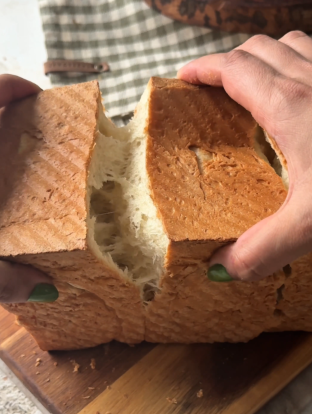
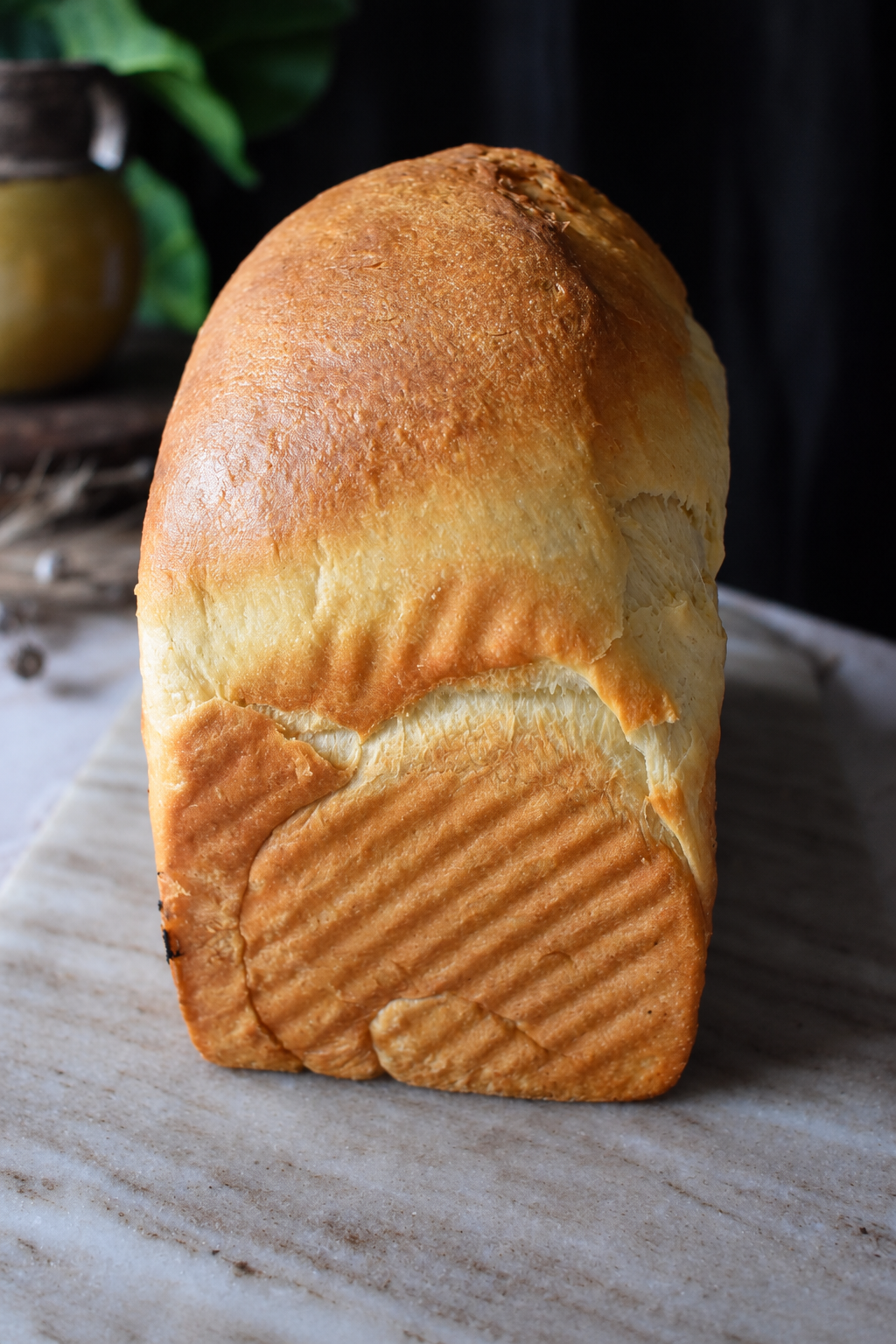
This Brioche Loaf Bread is incredibly soft, fluffy and buttery, with a tender, pillowy crumb and a beautifully golden top. Made with an enriched brioche dough and a simple tangzhong, the loaf stays wonderfully soft while still having the rich flavour you expect from homemade brioche. This homemade brioche loaf is delicious on its own while still slightly warm, but it is also perfect with butter, jam or honey. Toast leftover slices for breakfast, use them for sandwiches, or turn them into rich, custardy French toast the next morning.
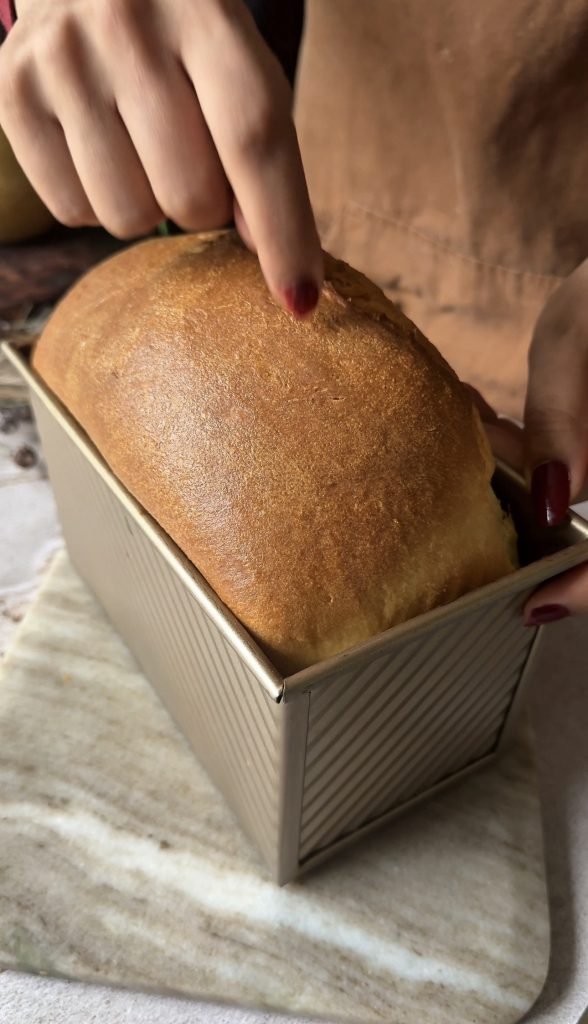
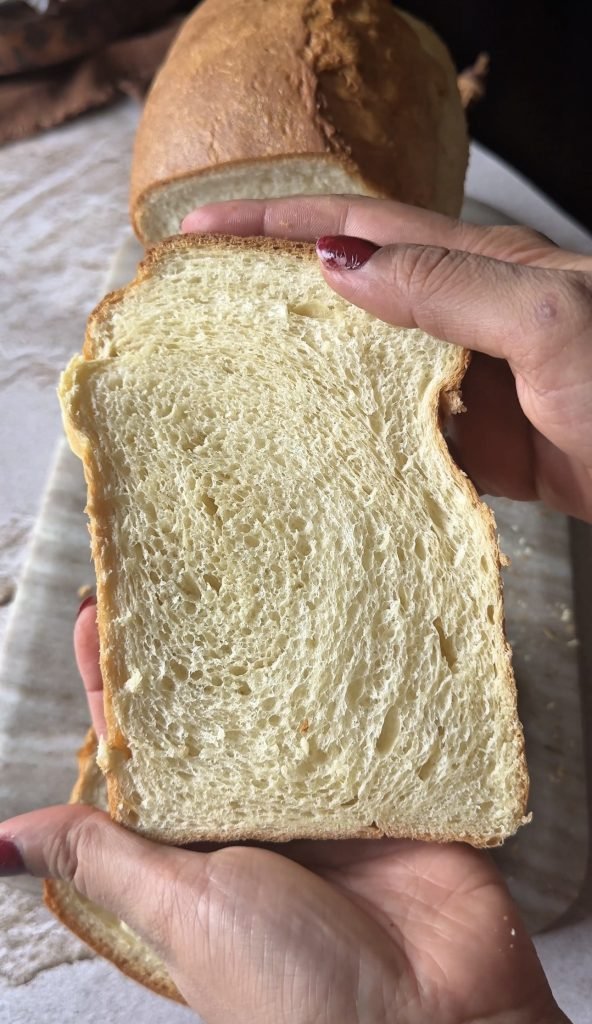

Brioche Loaf Bread
Ingredients
For the Tangzhong:
- 20 g Flour
- 100 g Milk
For the Brioche Dough:
- 400 g Flour
- 45 g Sugar
- 7 g Instant yeast
- 6 g Salt
- 2 Large eggs
- 1 Egg yolk
- 95 ml Warm milk
- 70 g Softened unsalted butter
- All of the cooled tangzhong
For the Topping:
- Heavy cream (for brushing)
- A little oil or butter for greasing the loaf pan
Instructions
- Add the flour and milk to a small saucepan and whisk until smooth. Cook over low heat, stirring continuously, until the mixture thickens into a smooth paste. Remove from the heat and let the tangzhong cool completely before adding it to the dough.
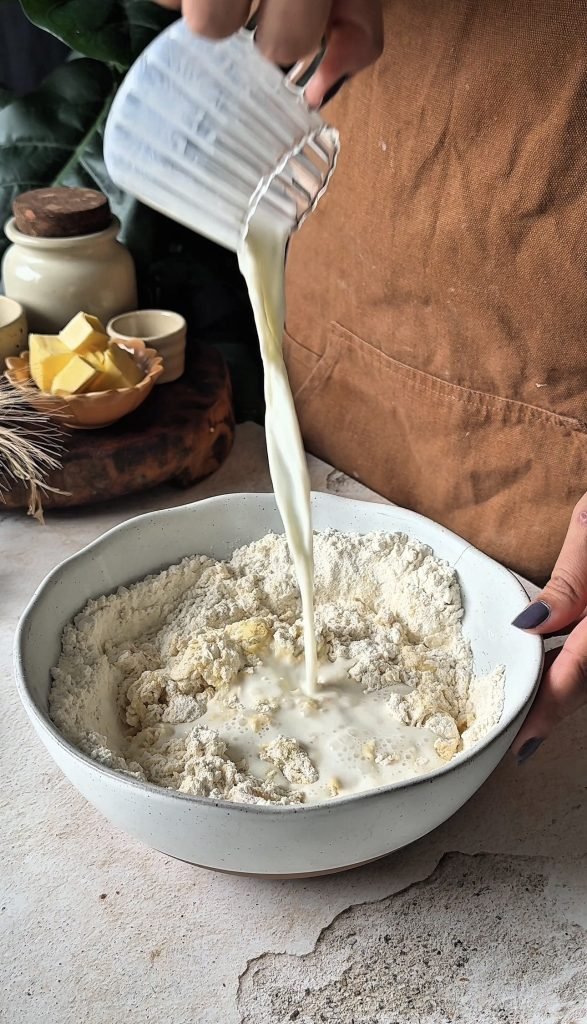
- In a large mixing bowl, combine the flour, sugar, instant yeast and salt. Add the eggs, egg yolk, cooled tangzhong and warm milk. Mix until everything comes together into a rough, slightly sticky dough.
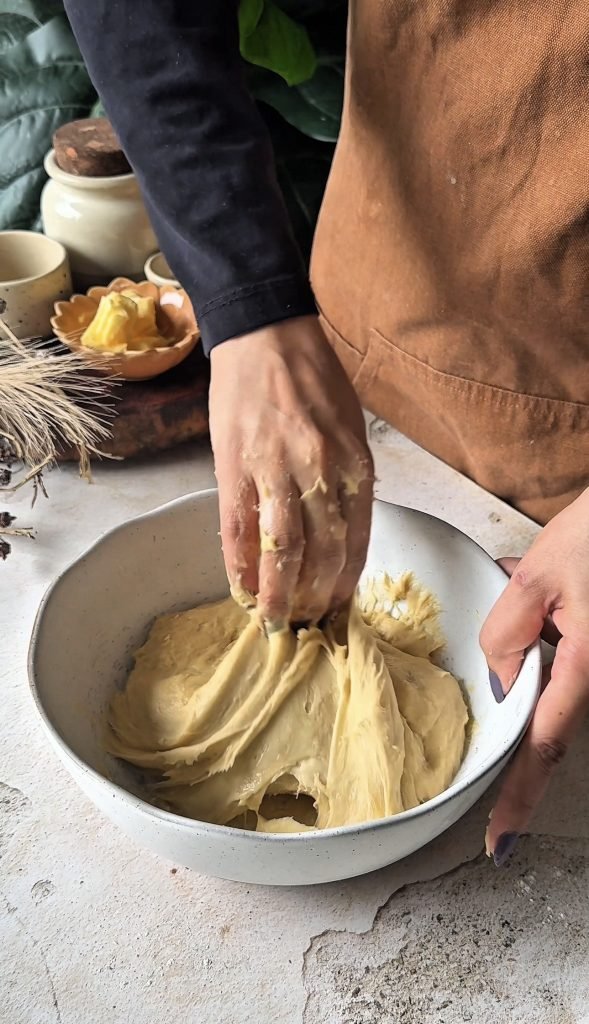
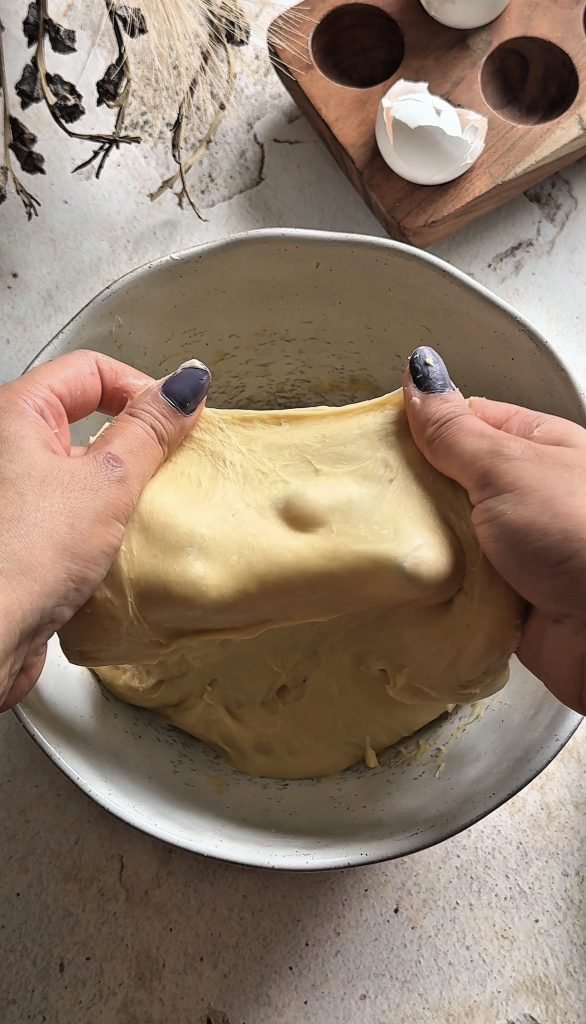
- Begin kneading the dough, then gradually add the softened butter a little at a time. Allow each addition to become incorporated before adding more. Continue kneading until the dough becomes smooth, elastic and stretchy. It may initially feel quite sticky, but it should become more manageable as the gluten develops.
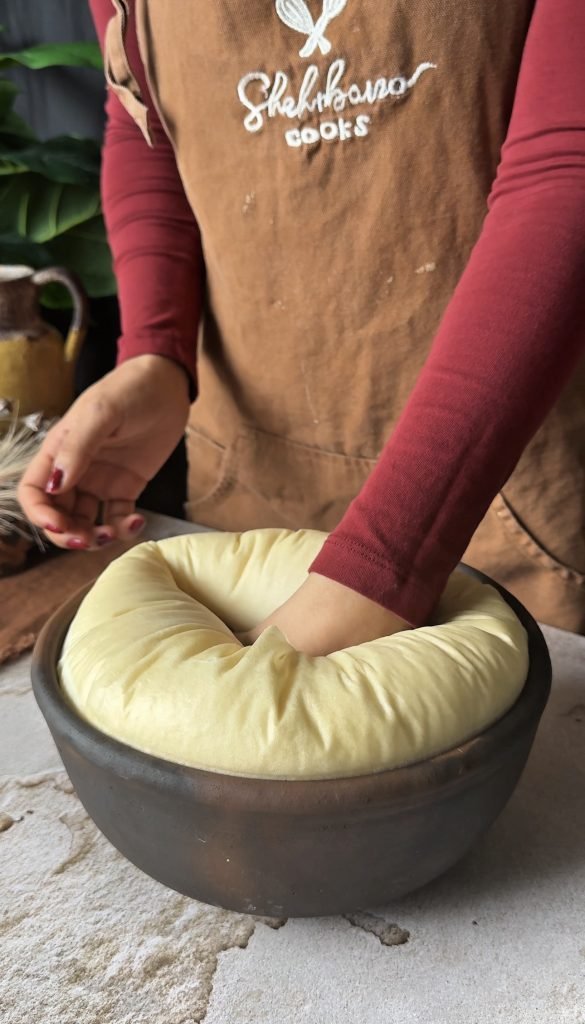
- Transfer the dough to a lightly greased bowl and cover it. Leave it in a warm place for approximately 1½ to 2 hours, or until doubled in size. Rather than relying only on the clock, look for a visibly risen and airy dough.
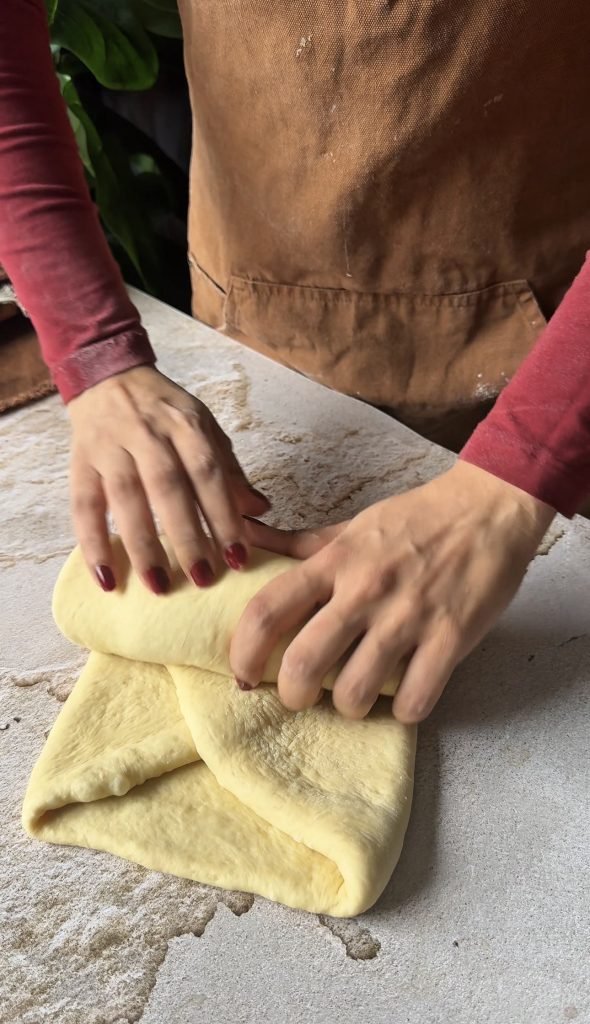
- Transfer the risen dough to a lightly floured surface and gently roll it into a rectangle. Fold both sides inward towards the centre, similar to folding a letter. Roll it out once more into a rectangle approximately the width of your loaf pan, then shape it neatly into a loaf.
- Lightly grease a 9 × 5 inch loaf pan with oil or butter. Place the shaped brioche dough into the pan with the seam facing down, gently adjusting it so it sits evenly.
- Loosely cover the pan and let the brioche rise for another 30 to 45 minutes, until noticeably puffy. Keep an eye on the dough during this stage and avoid letting it overproof.
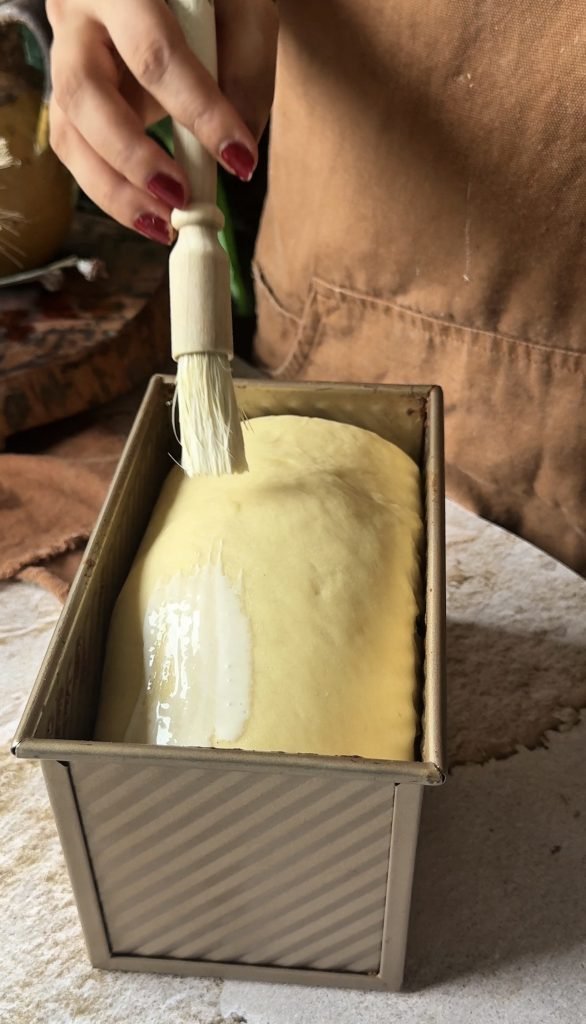
- Preheat the oven to 190°C. Once the brioche has finished its second rise, gently brush a thin layer of heavy cream over the surface. Use a light touch so you do not deflate the risen dough.
- Bake for approximately 30 to 35 minutes, until the top is beautifully golden and the loaf is baked through. If the brioche is browning too quickly, loosely cover the top with aluminium foil and continue baking.
- Let the freshly baked brioche sit in the pan for 5 to 10 minutes, then carefully transfer it to a wire rack. Allow it to cool before slicing so the soft interior has time to set properly.
Video
Tips & Tricks
Cool the tangzhong completely: Avoid adding hot tangzhong directly to the dough. Letting it cool first prevents it from affecting the yeast and makes the dough easier to work with.
Measure your flour accurately: For the softest brioche, weighing the flour is preferable. Adding too much flour can make the finished loaf heavier and drier.
Give the dough enough kneading time: Brioche is an enriched dough, so developing the gluten properly is important. Keep kneading until the dough becomes smooth, elastic and stretchy rather than adding extra flour simply because it feels sticky at first.
Add the butter gradually: Adding all the butter at once can make it difficult to incorporate. Work it into the dough in small additions and continue kneading between each one.
Use warm, not hot, milk: The milk should feel comfortably warm. Very hot milk can damage the yeast and prevent the dough from rising properly.
FAQs
Can I make Brioche Loaf Bread without a stand mixer?
Yes. You can knead the dough by hand, although it will require more time and patience. Since the dough is initially sticky, avoid adding excessive flour while kneading.
How do I know when brioche has finished proofing?
After the first rise, the dough should look noticeably larger and approximately doubled in size. During the second rise, look for a loaf that appears soft, airy and puffy rather than relying solely on the suggested proofing time.
Why did my brioche turn out dense?
Dense brioche can result from insufficient kneading, underproofing, inactive yeast or adding too much flour. Make sure the dough develops enough elasticity and has sufficient time to rise before baking.
Can I freeze brioche loaf bread?
Yes. Allow the loaf to cool completely, then slice it and store the slices in a freezer safe bag or container. Freezing individual slices makes it easy to remove only what you need and toast them directly or thaw them at room temperature.
How should I store Brioche Loaf Bread?
Once completely cooled, store the brioche in an airtight container or bread bag at room temperature for 2 to 3 days to keep it soft and fresh. For longer storage, slice the loaf and freeze it in a freezer safe bag or container. Individual slices can be thawed at room temperature or gently toasted whenever needed.