Japanese Shokupan Bread
About the recipe
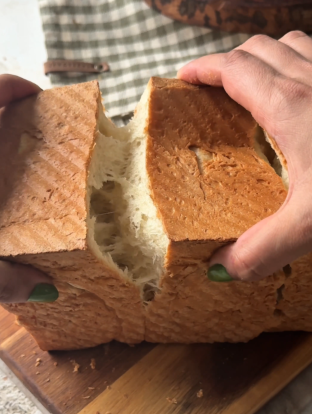
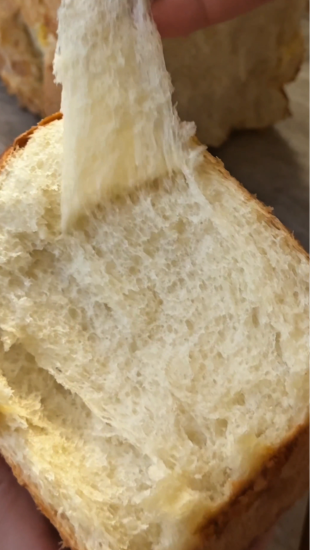
Japanese Shokupan Bread is famous for its incredibly soft, cloud-like texture and delicate flavour. Made using the traditional Tangzhong method, this Pullman loaf develops an ultra-light crumb that stays moist and fresh much longer than regular bread. The enclosed Pullman pan also creates its signature square shape, making it ideal for perfectly even sandwich slices. Whether you’re making breakfast toast, sandwiches, French toast, or simply enjoying it warm with butter, this homemade Japanese milk bread is guaranteed to become one of your favourite bread recipes.
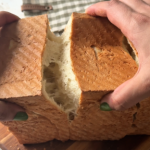
Japanese Shokupan Bread
Ingredients
For Tangzhong:
- ½ cup Whole milk (120 g)
- 3 tbsp All-purpose flour (24 g)
For Dough:
- Cooled Tangzhong
- ¾ cup Whole lukewarm milk (180 g)
- 2½ tsp Active dry yeast (7–8 g)
- 3½ tbsp Sugar (45 g)
- 1 Large egg (≈50 g)
- 2 ¾ cups All-purpose flour (350 g)
- 1 tsp salt (6 g)
- 4 tbsp Softened unsalted butter (56–58 g)
Instructions
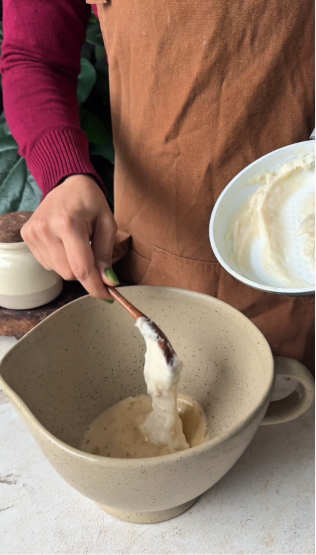
- First, combine the whole milk and flour in a small saucepan, whisking until completely smooth with no lumps remaining. Place the saucepan over medium-low heat and stir continuously until the mixture thickens into a smooth, glossy paste similar to pudding. Once thickened, transfer it to a bowl and allow it to cool completely before using.
- Meanwhile, combine the lukewarm milk, sugar, and active dry yeast in a large mixing bowl. Stir gently and allow the mixture to rest for 5–10 minutes until it becomes foamy and bubbly, indicating that the yeast is active.
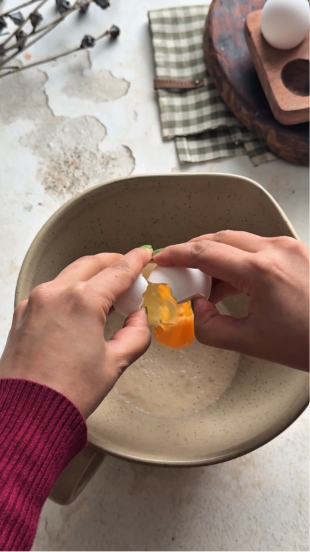
- Next, add the cooled Tangzhong and the egg to the activated yeast mixture, stirring until fully combined. Gradually add the flour and salt, mixing until a rough, shaggy dough forms and all of the flour is hydrated.
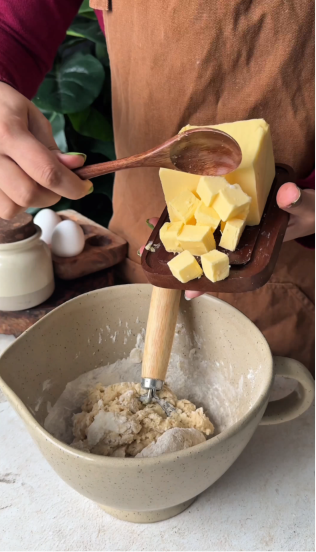
- Transfer the dough to a stand mixer fitted with a dough hook or knead by hand. Gradually incorporate the softened butter, adding a little at a time while continuing to knead. Keep kneading until the dough becomes silky, smooth, elastic, and slightly tacky. It should pass the windowpane test when fully developed.
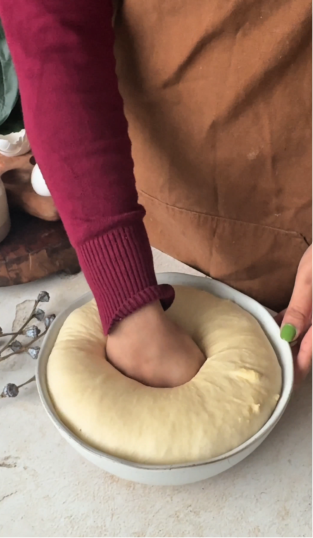
- Place the dough into a lightly greased bowl and cover it with plastic wrap or a damp towel. Allow it to rise in a warm place for 45–60 minutes, or until doubled in size.
- Gently punch down the risen dough to release excess air. Shape it into a tight log, making sure to create good surface tension. Carefully place the shaped dough into a well-greased Pullman loaf pan.
- Cover the pan loosely and allow the dough to rise again until it reaches approximately ½–1 cm below the Pullman lid. This ensures the bread expands perfectly during baking without overflowing.
- Preheat the oven to 175°C (350°F). Slide the Pullman lid closed and bake the loaf for approximately 35 minutes. If needed, uncover the loaf during the final few minutes to achieve a deeper golden colour on top.
- Finally, remove the loaf from the oven and allow it to cool in the pan for about 10 minutes. Carefully remove it from the pan and transfer it to a wire rack to cool completely before slicing. Cooling completely helps maintain its soft texture and prevents the crumb from becoming gummy.
Tips & Tricks
Always Cool the Tangzhong: Using warm Tangzhong may affect the yeast activity, so allow it to cool completely before mixing it into the dough.
Use the Windowpane Test: Proper gluten development is the key to achieving the signature fluffy Shokupan texture. The dough should stretch into a thin translucent membrane without tearing.
Don’t Overproof: Allow the dough to rise only until it reaches about ½–1 cm below the Pullman lid. Overproofing can cause the loaf to collapse during baking.
Grease the Pullman Pan Well: A well-greased pan makes removing the finished loaf much easier while preserving its beautiful square shape.
Let the Bread Cool Completely: Although it’s tempting to slice warm bread, cooling completely allows the crumb to finish setting for the softest texture.
FAQs
How should I store Japanese Shokupan Bread?
Store the bread in an airtight container or bread bag at room temperature for up to 4 days to keep it soft and fresh.
Can I freeze Japanese Shokupan Bread?
Yes. Slice the loaf before freezing and store it in a freezer-safe bag for up to 2 months. Thaw individual slices as needed.
Why is Tangzhong important?
The Tangzhong method pre-gelatinizes part of the flour, allowing the dough to retain more moisture. This creates an incredibly soft, fluffy loaf that stays fresh much longer.
Can I make this without a Pullman pan?
Yes. You can bake it in a standard 9×5-inch loaf pan, although the loaf will have a rounded top instead of the traditional square shape.
Why didn’t my Japanese Shokupan Bread rise properly?
Inactive yeast, cold ingredients, or insufficient proofing time are the most common reasons. Always ensure your yeast is foamy before continuing.