Japanese Cotton Bread

About the recipe
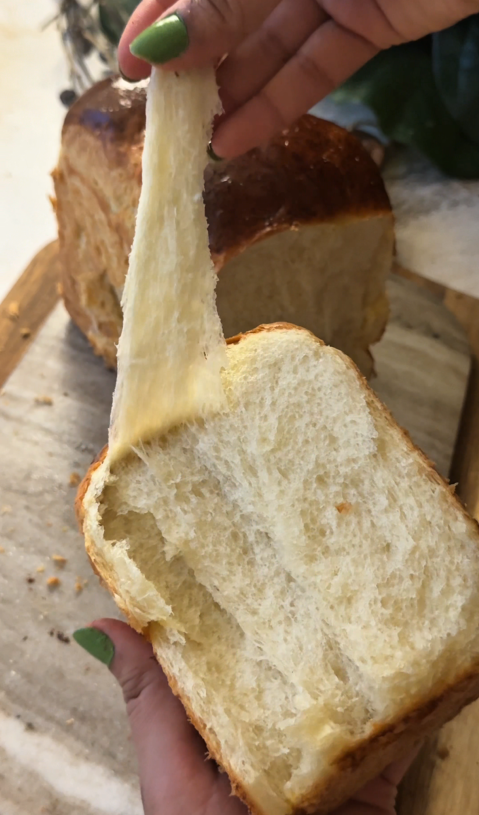
Japanese Cotton Bread, also known as Shokupan, is incredibly soft, fluffy, and pillowy with a light buttery flavour and tender crumb. Made using the tangzhong method, this homemade milk bread stays moist, airy, and fresh for longer than regular bread. Perfect for sandwiches, breakfast toast, French toast, or simply enjoyed warm with butter, this easy Japanese bread recipe delivers bakery style results at home.



Japanese Cotton Bread
Ingredients
For Tangzhong:
- ¼ cup Water (60 g)
- ¼ cup Milk (60 g)
- 3 tbsp All-purpose flour (24 g)
For Dough:
- All of the tangzhong (cooled)
- ⅜ cup Lukewarm milk (90 g)
- 2 tbsp Lukewarm water (30 g)
- 2 ½ tsp Active dry yeast (8 g)
- 3 ½ tbsp Sugar (45 g)
- 1 Large egg (≈50 g, without shell)
- 2 ¾ cups All-purpose flour (350 g)
- 1 tsp salt (6 g)
- 4 tbsp Softened unsalted butter (56–58 g)
For Glaze (Before Baking):
- 1 Egg yolk
- 1 tbsp Milk
- 1 tsp Sugar
Instructions
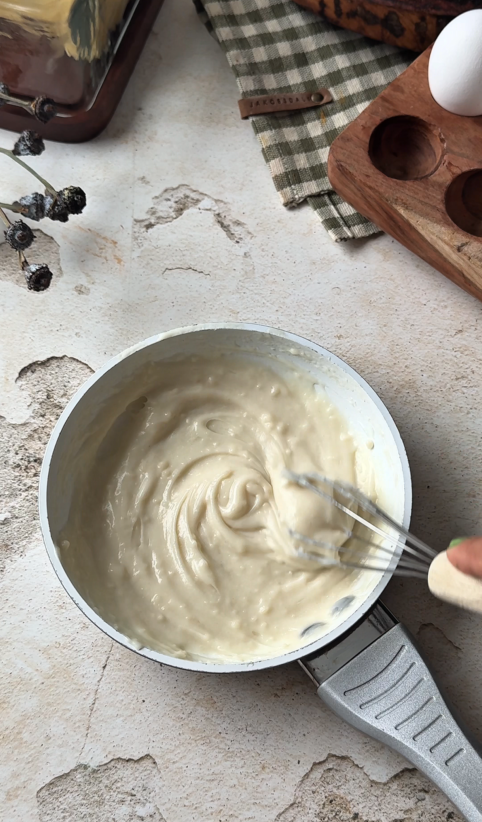
- Begin by preparing the tangzhong. In a saucepan, whisk together water, milk, and flour until completely smooth with no lumps. Cook over medium-low heat while stirring continuously until the mixture thickens into a glossy, pudding-like paste. Once ready, remove from heat and allow it to cool completely before using.
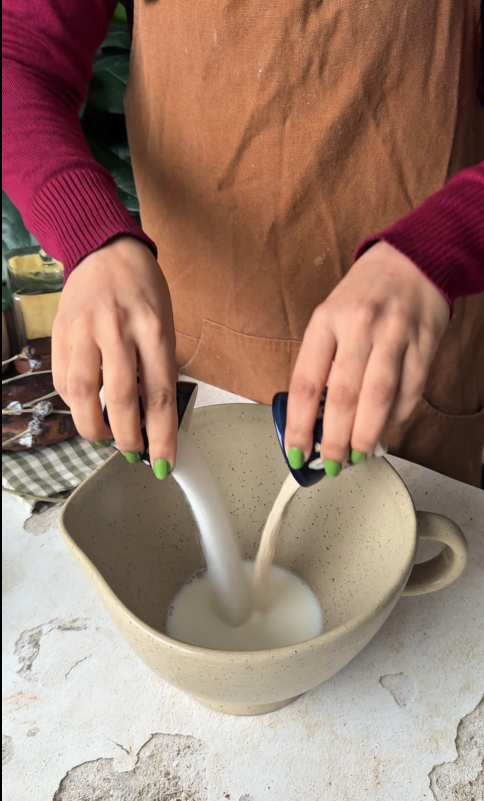
- Activate the yeast by combining lukewarm milk, water, sugar, and active dry yeast in a bowl. Stir gently and let it rest for 5–10 minutes until the surface becomes foamy, indicating the yeast is active and ready.
- Add the cooled tangzhong and egg into the activated yeast mixture. Mix well until everything is fully incorporated and smooth.
- Add the flour and salt to the wet mixture and stir until a rough dough begins to form and no dry flour remains visible.
- Transfer the dough to a clean surface and knead until it becomes smooth and elastic. Gradually incorporate the softened butter while kneading, continuing until the dough turns silky, soft, and slightly tacky but well-developed.
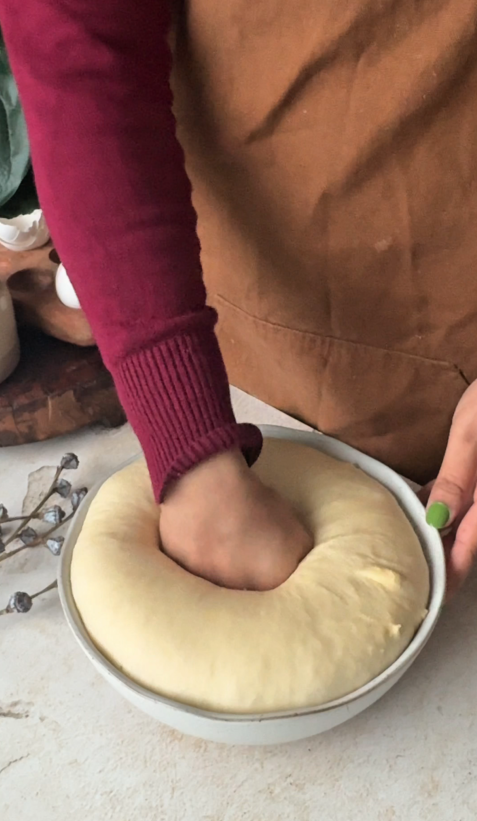
- Place the dough into a lightly greased bowl, cover it loosely, and allow it to rise in a warm environment for 45–60 minutes, or until it doubles in size.
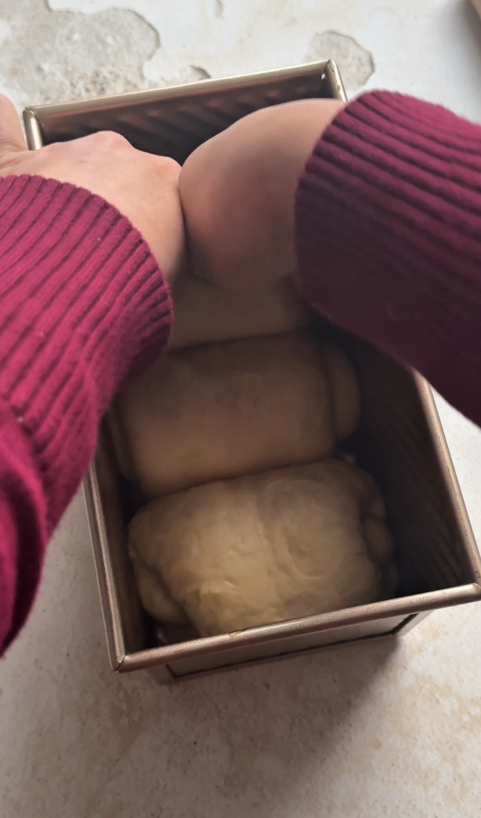
- Once risen, divide the dough into 3–4 equal portions. Shape each portion gently and arrange them evenly in a greased 9×5 inch loaf pan.
- Cover the pan loosely again and let the dough rise a second time until it slightly rises above the rim of the loaf pan, becoming light and airy.
- Prepare the egg wash by whisking together egg yolk, milk, and sugar. Gently brush this mixture over the top of the risen dough to achieve a shiny, golden crust.
- Bake in a preheated oven at 175°C for 30–35 minutes, or until the loaf is beautifully golden brown and fully baked through.
- Allow the bread to cool in the pan for about 10 minutes, then remove it carefully and let it cool further on a wire rack before slicing for clean, soft cuts.
Tips & Tricks
Cool the Tangzhong Completely: Always allow the tangzhong to cool before adding it to the dough. Warm tangzhong can affect yeast activity and dough texture.
Use Lukewarm Liquid for Yeast: Milk and water should be warm but not hot. Excess heat can kill the yeast and prevent the dough from rising properly.
Knead Until Elastic: The dough should become silky, stretchy, and slightly tacky. Proper kneading is essential for achieving the signature fluffy Shokupan texture.
Do Not Over proof the Dough: Allow the second rise only until the dough slightly rises above the loaf pan. Over proofing can cause collapse during baking.
FAQs
Can I use bread flour instead of all purpose flour? Yes bread flour works very well and creates a slightly chewier texture with more structure.
How do I store Japanese Milk Bread? Store in an airtight container at room temperature for up to 3 days to maintain softness.
Can I freeze Shokupan? Yes this bread freezes very well. Slice before freezing for easier thawing and reheating.
Can I make this bread without tangzhong? You can, but the bread will not have the same signature soft, moist, and fluffy texture.