Espresso Loaf with Warm Coffee Glaze
About the recipe
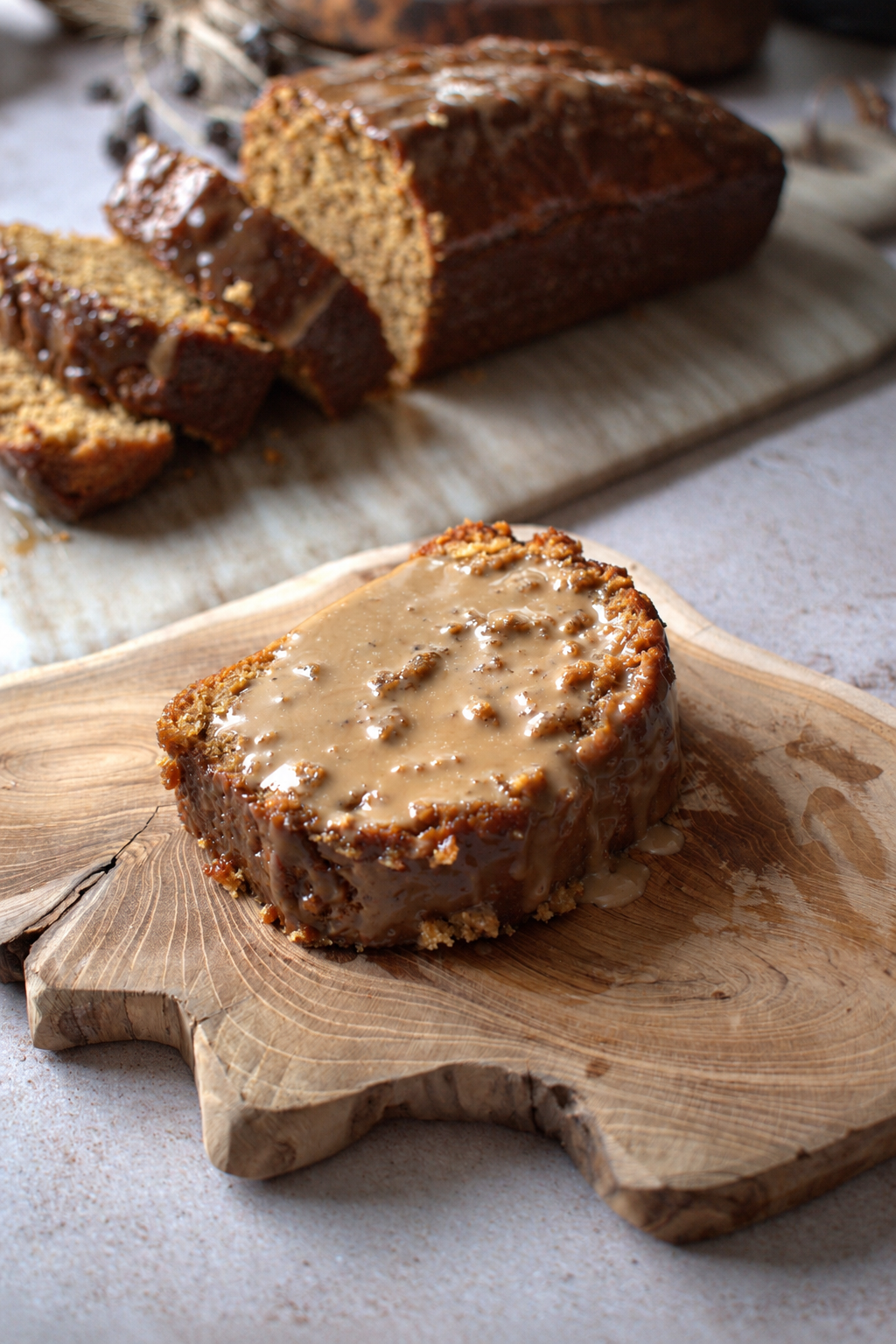
This Espresso Loaf with Warm Coffee Glaze is a soft, buttery coffee cake with a rich espresso flavour and a tender, moist crumb. The loaf is finished with a warm espresso cream glaze that soaks gently into the cake, adding an extra layer of smooth coffee flavour to every slice. It is an easy coffee loaf to enjoy with your morning cup of coffee, serve alongside afternoon tea, or bring to a cozy gathering.
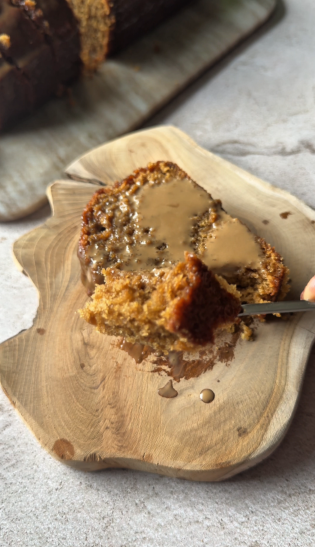
Espresso Loaf with Warm Coffee Glaze
Ingredients
For Cake ingredients:
- 145 g Unsalted melted butter
- 120 g Granulated sugar
- 100 g Dark brown sugar
- 2 Large eggs
- 315 g All-purpose flour
- 7 g Baking powder
- 3 g Baking soda
- 2 g Salt
- 60 ml Hot water
- 2–2½ tsp Espresso powder
- 120 ml Buttermilk
- 35 g Greek yogurt
- 12 g Vanilla extract
For Warm Espresso Cream Glaze:
- 100 ml Heavy cream
- 35 g Icing sugar
- 2 tsp Espresso powder
- 1 tbsp Hot water
- Pinch of salt (optional)
Instructions
- First, preheat your oven to 175°C (350°F), or 160°C (320°F) for a fan oven. Grease a 28 × 15 × 8 cm loaf mould thoroughly and line it with baking paper, leaving some overhang to make the finished loaf easier to remove.
- Next, combine the hot water and espresso powder in a small bowl. Stir until the espresso powder has completely dissolved, then set the mixture aside to cool. Make sure it is not hot when added to the batter.
- Meanwhile, add the all purpose flour, baking powder, baking soda and salt to a bowl. Whisk everything together until evenly combined. This helps distribute the raising agents throughout the flour and gives the loaf an even rise.
- In a separate large bowl, whisk the melted butter with the granulated sugar and dark brown sugar. Continue mixing until the sugars are well incorporated and the mixture looks smooth.
- Then, add the eggs one at a time and whisk until combined. Avoid overmixing at this stage. You only need to mix until the eggs are incorporated and the batter looks smooth.
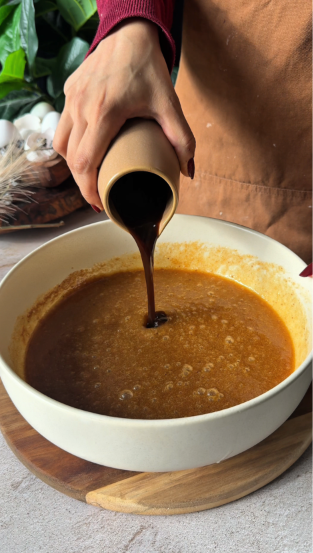
- Pour in the cooled espresso mixture, followed by the buttermilk, Greek yogurt and vanilla extract. Whisk gently until the wet ingredients are fully combined. The espresso gives the cake its main coffee flavour, while the buttermilk and yogurt help create a tender crumb.
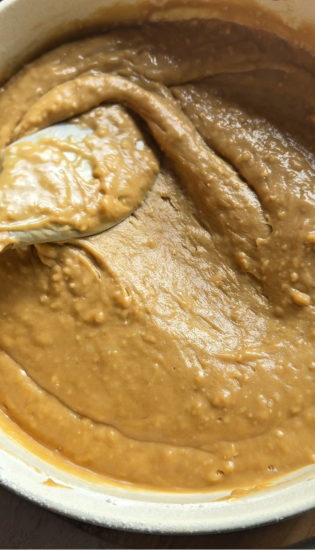
- Gradually add the dry ingredients to the wet mixture. Using a spatula, gently fold everything together until no large patches of flour remain. Do not overmix the batter, because excessive mixing can make the espresso loaf dense instead of soft.
- Pour the batter into the prepared loaf mould, making sure it fills no more than approximately two thirds to three quarters of the mould. Smooth the surface gently with a spatula if needed.
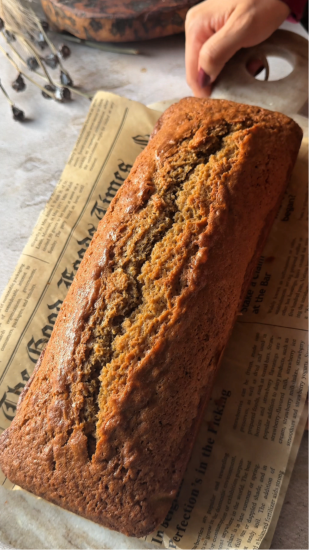
- Place the loaf in the preheated oven and bake for approximately 40 to 50 minutes. Start checking around the 40 minute mark, as baking times can vary between ovens. Insert a skewer into the center of the loaf. It should come out with a few moist crumbs attached, but there should be no wet batter.
- Once baked, remove the loaf from the oven and allow it to cool in the mould for 10 to 15 minutes. Then, carefully lift it out using the parchment paper and transfer it to a wire rack.
- While the loaf is cooling slightly, dissolve the espresso powder in hot water. Stir until completely smooth.Next, add the heavy cream and icing sugar to a small saucepan. Heat gently over low heat, whisking until the icing sugar has dissolved. Add the dissolved espresso and continue heating for 2 to 4 minutes, whisking occasionally. Do not allow the cream mixture to boil.
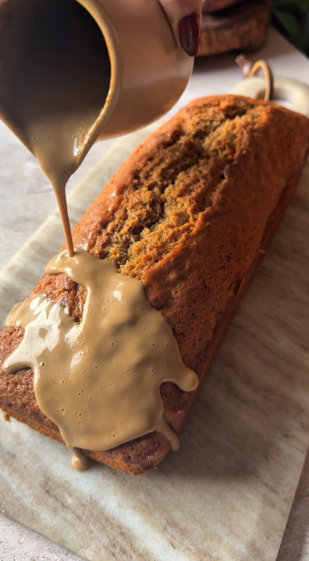
- Remove the espresso cream glaze from the heat and let it sit for 2 to 3 minutes. Then, pour the warm glaze slowly over the still warm espresso loaf, allowing it to spread across the top and gently soak into the cake.
- Finally, allow the glazed loaf to sit for 5 to 10 minutes before slicing. This gives the warm coffee glaze a little time to settle into the cake while the loaf remains soft and fragrant. Slice and serve while slightly warm or allow it to cool completely.
Video
Tips & Tricks
Do Not Overmix the Batter: Once the flour is added, fold the batter gently and stop as soon as everything is combined. Overmixing can develop too much gluten and result in a heavier loaf.
Do Not Overfill the Loaf Mould: Keep the batter around two thirds to three quarters full. This gives the loaf enough room to rise without overflowing during baking.
Check the Loaf Early: Start checking the espresso loaf around 40 minutes. The exact baking time depends on your oven and the depth of your loaf mould, so use a skewer to check the center rather than relying only on the timer.
Keep the Glaze Warm, Not Boiling: When preparing the espresso cream glaze, heat it gently and avoid boiling. A gentle heat keeps the glaze smooth and creamy.
Glaze While the Loaf Is Warm: For the best texture, pour the warm espresso glaze over the loaf while the cake is still slightly warm. This allows the glaze to settle beautifully over the surface and add extra moisture.
FAQs
Can I make this espresso loaf without espresso powder?
Yes. You can use very finely ground instant coffee powder instead. However, espresso powder generally provides a stronger and more concentrated coffee flavour.
Can I use regular coffee instead of espresso powder?
You can, although brewed coffee contains more liquid and may change the texture of the batter. For this reason, espresso or instant coffee powder is preferable.
Can I make the espresso loaf ahead of time?
Yes. The loaf can be baked a day ahead and stored in an airtight container. For the best texture, prepare and add the warm glaze closer to serving time.
How should I store espresso loaf?
Store the cooled espresso loaf in an airtight container at room temperature for up to 2 days. If your kitchen is particularly warm, refrigerate it and allow the loaf to come closer to room temperature before serving.
Can I freeze espresso loaf?
Yes. Freeze the unglazed loaf tightly wrapped or stored in a freezer safe container for up to 1 month. Thaw it overnight in the refrigerator or at room temperature, then prepare the glaze before serving.
Why is my loaf dry?
Overbaking is one of the most common reasons for a dry loaf. Start checking the cake around 40 minutes and remove it once a skewer comes out with a few moist crumbs rather than waiting until it comes out completely dry.